Observation technologies
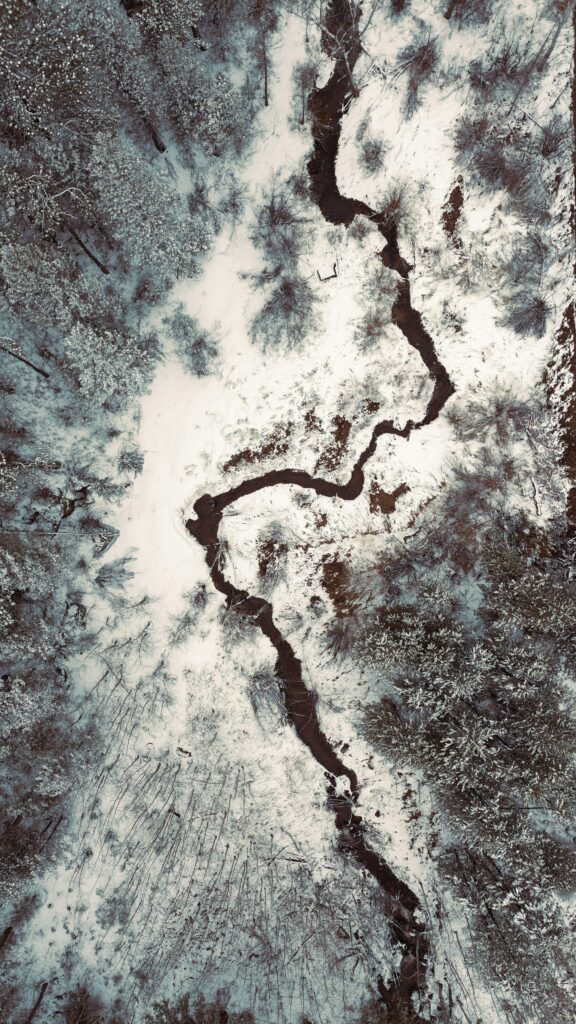
Observation technologies in fluvial processes
This research theme develops automated 4D platforms for data collection and builds a real-time observation network across riverine and coastal environments.
By integrating cutting edge sensors, such as multispectral cameras, LiDAR, and satellite data with autonomous multi-robot systems, the project enables multi-modal 3D environmental perception for digital twin creation and bio- and geodiversity assessment. The research explores autonomous collaboration between aerial, ground, and surface robots in dynamic, all-weather conditions, aiming to reduce uncertainty in environmental monitoring. Novel algorithms and data fusion methods, including machine learning and generative AI, are being developed to enhance perception, optimize robotic decision-making, and ensure reliable performance in complex fluvial systems.

Twin Transitions
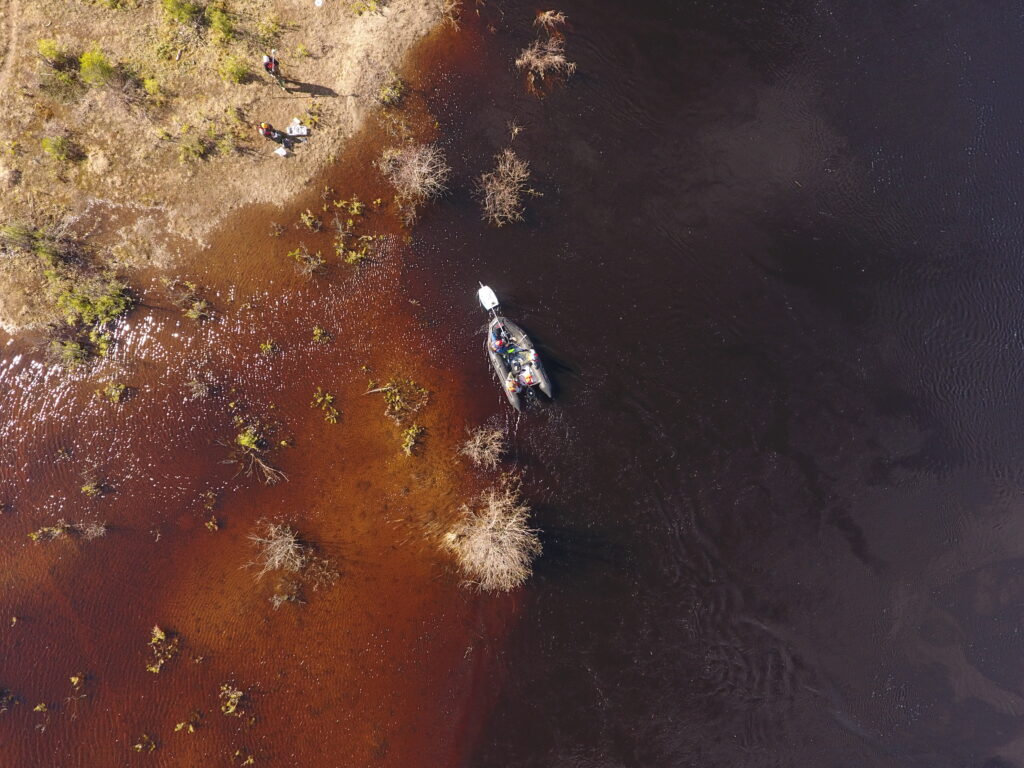
Hydroinformatics of river systems
This research theme uses data-driven hydroinformatics to model how human activity and climate change affect water resources, focusing on boreal and subarctic regions.
By leveraging digital twins, multi-robot observation technologies, geospatial data, remote sensing, citizen science, and AI, the project investigates the interconnected dynamics of hydrological, societal, fluvial, sedimentological, and ecological systems from source to sea. Through the lens of twin transition, the research aims to achieve a comprehensive understanding of hydro-climatological changes, nutrient and sediment fluxes, and carbon cycling across natural, urbanized, and agricultural catchments. The evolving interactions between inland waters and coastal environments are also examined, with insights extrapolated to the Baltic Sea and broader global contexts.
Sustainability transitions
Hydrosphere resilience
This research theme explores sustainability transitions by studying how hydrosphere dynamics interact with biodiversity and multispecies well-being.
Recognizing water as a natural, social, cultural, and economic resource, the research promotes a comprehensive understanding of rivers as social-ecological-technological systems. Through interdisciplinary approaches and stakeholder engagement, the project explores how digital twins, continuous observation networks, and participatory methods can enhance hydrological resilience and inform inclusive, multisensory, and multispecies decision-making. HydroTwin contributes to sustainable river management and biodiversity loss mitigation, fostering nature-positive futures for both present and future generations.